
Gear guide · Wildlife from a boat
Camera kit for wildlife from a boat
The camera kit for the days I am in a boat and the subject is not: bears at Knight Inlet from the skiffs and the viewing stands, whales and kayaks on Johnstone Strait from small boats. One body, one long lens, and the things that keep both working when the rain comes sideways and no tripod is allowed. The long lens is the reason the bear photographs exist.
My own kit, carried on the bear and whale trips on this site.
Some gear links on this page are affiliate links. If you buy through one, I earn a small commission at no cost to you. I only link gear I have used.
The body
-
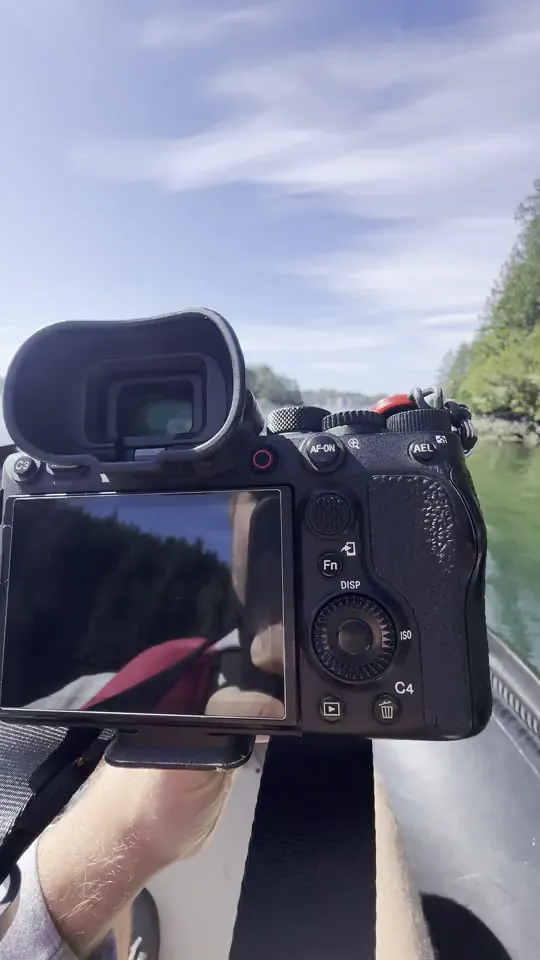
Sony A1
One body for everything on this site. Resolution for the bears at distance, where you crop anyway, speed for the birds, and it does not mind rain.
-
Sony NP-FZ100 battery
Two originals as spares. The body does not come back to the charger until dark.
-
SmallRig NP-FZ100 USB-C battery
What I would buy as spares today: USB-C chargeable, from a reputable brand like SmallRig, so they fill in the bag off the power bank.
-
Pergear 1TB CFexpress Type A card, two of them
Two of them, one in each slot. Most of these places have no wifi worth the name, so the cards have to hold the week.
The long end
Bears, whales, birds: everything worth this lens is far, and the rules keep it that way. The photographs are better for it.
-
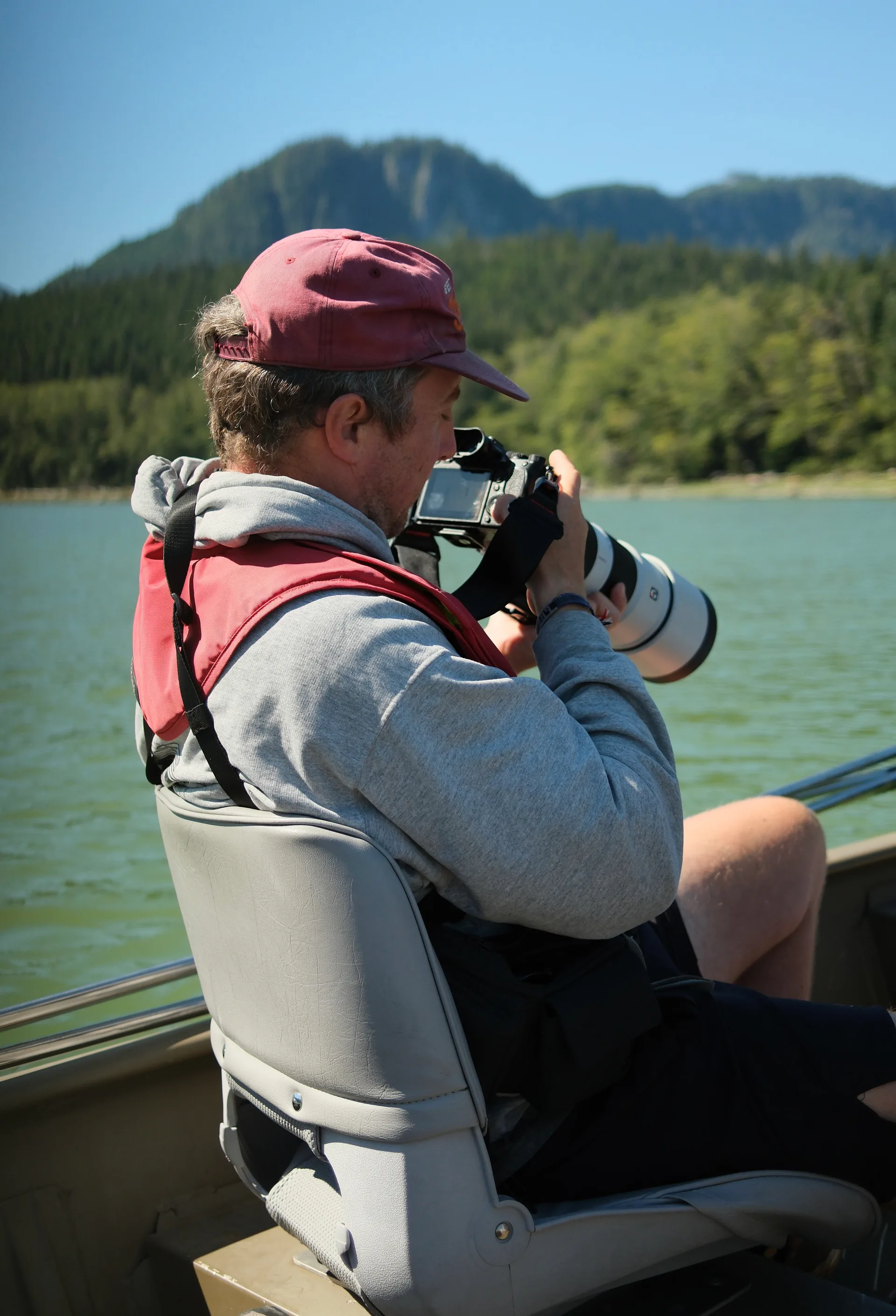
Sony FE 200-600mm f/5.6-6.3 G OSS
The lens the bear photographs were made with. Long, and light enough to hand-hold from a skiff rail all morning, which you have to, because tripods are not allowed.
-
Sony 2x Teleconverter (SEL20TC)
On the 200-600 it makes 1200mm. Perfect for bears, birds and marine wildlife at the distance you are kept at. Slower to focus, and worth it.
-
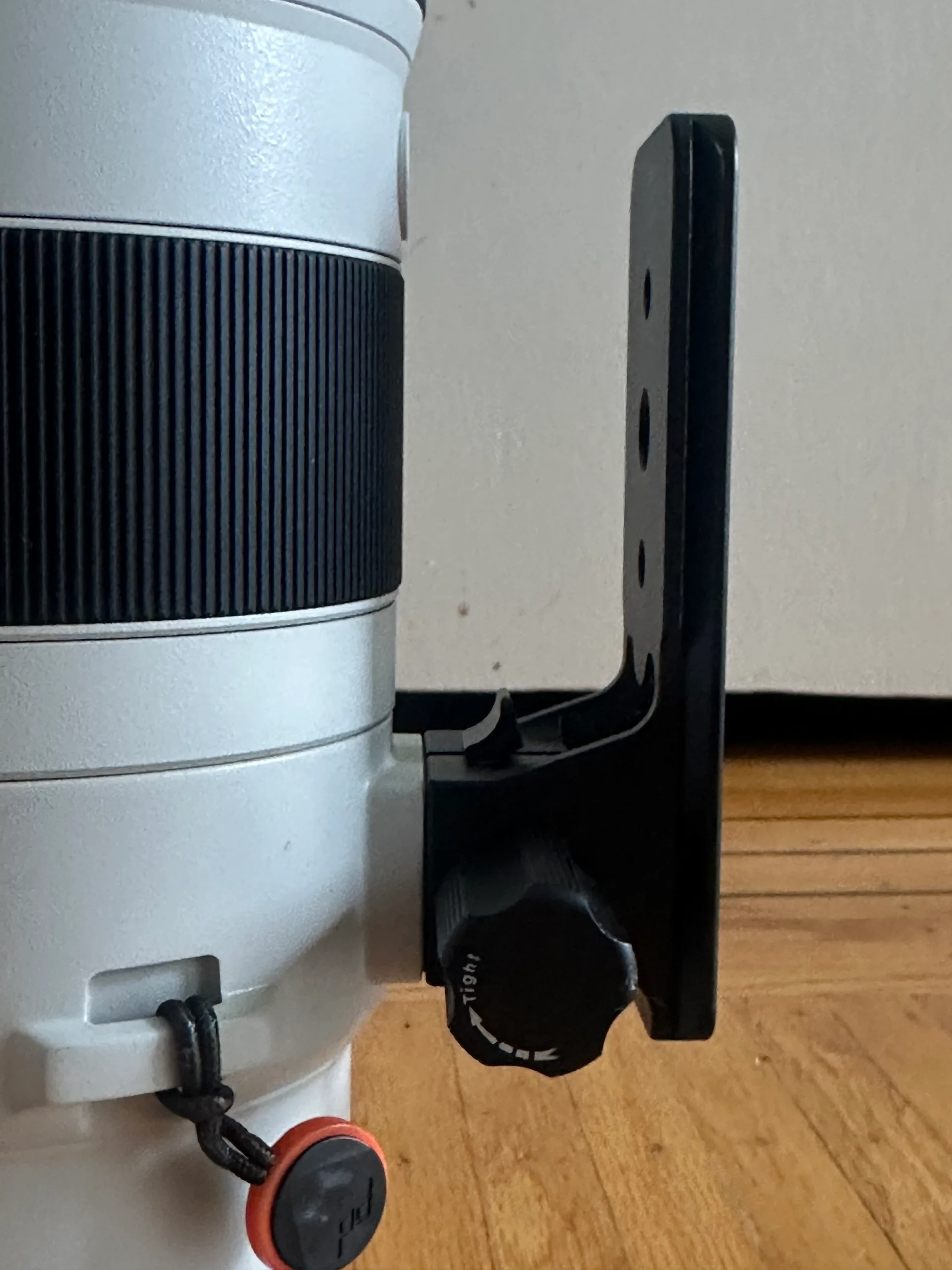
iShoot Arca-Swiss replacement foot for the Sony 200-600
An Arca foot in place of the stock one. The lens drops straight onto a clamp, on the rail or on a monopod.
-
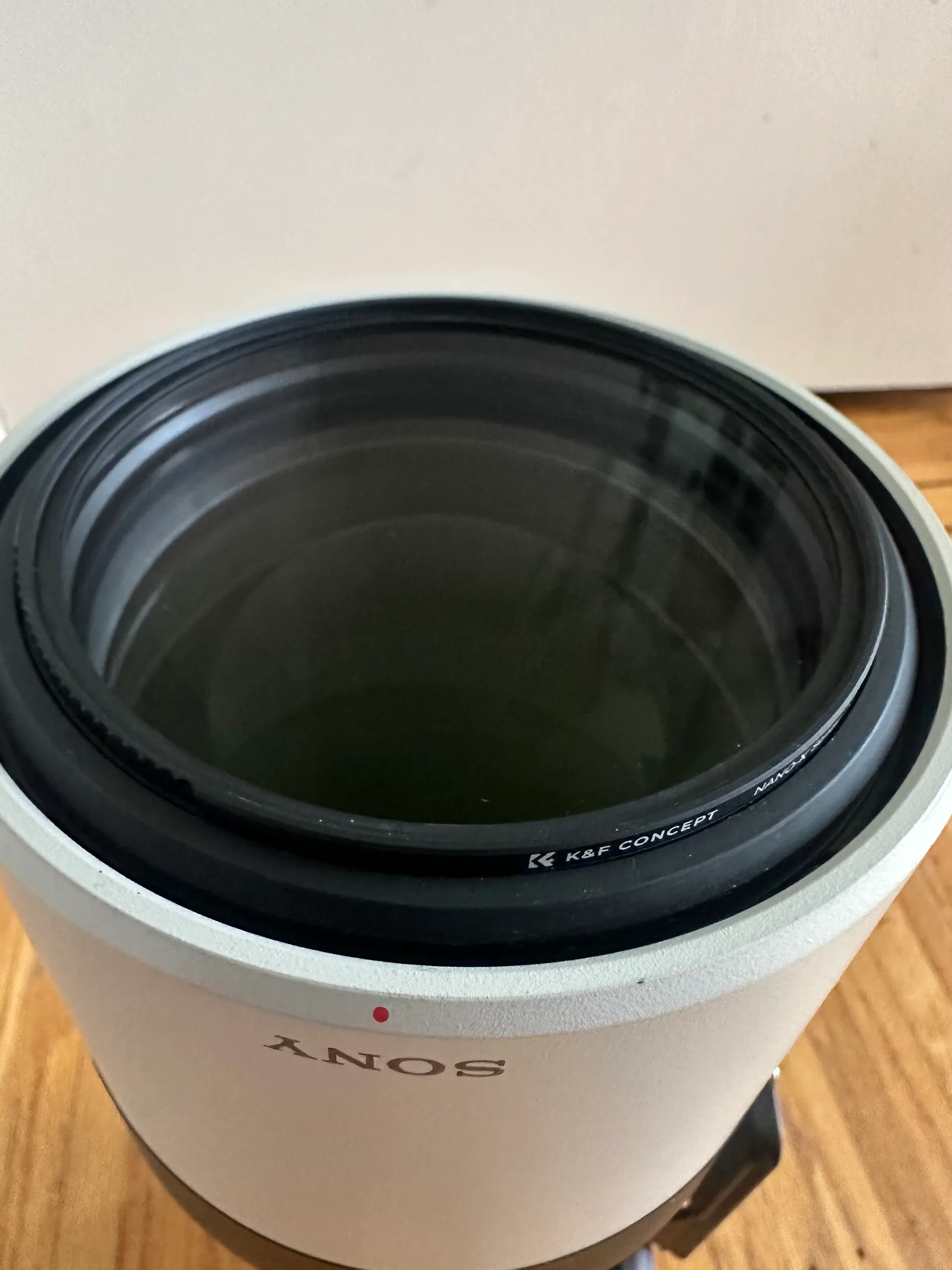
K&F Concept 95mm UV filter
Glass in front of the front element. Six and a half metres of rain a year, some of it sideways.
-
MR.SIGA microfibre cloths, 12-pack
Salt spray on the front element, wiped off with a glasses cloth. Twelve of them, everywhere.
-
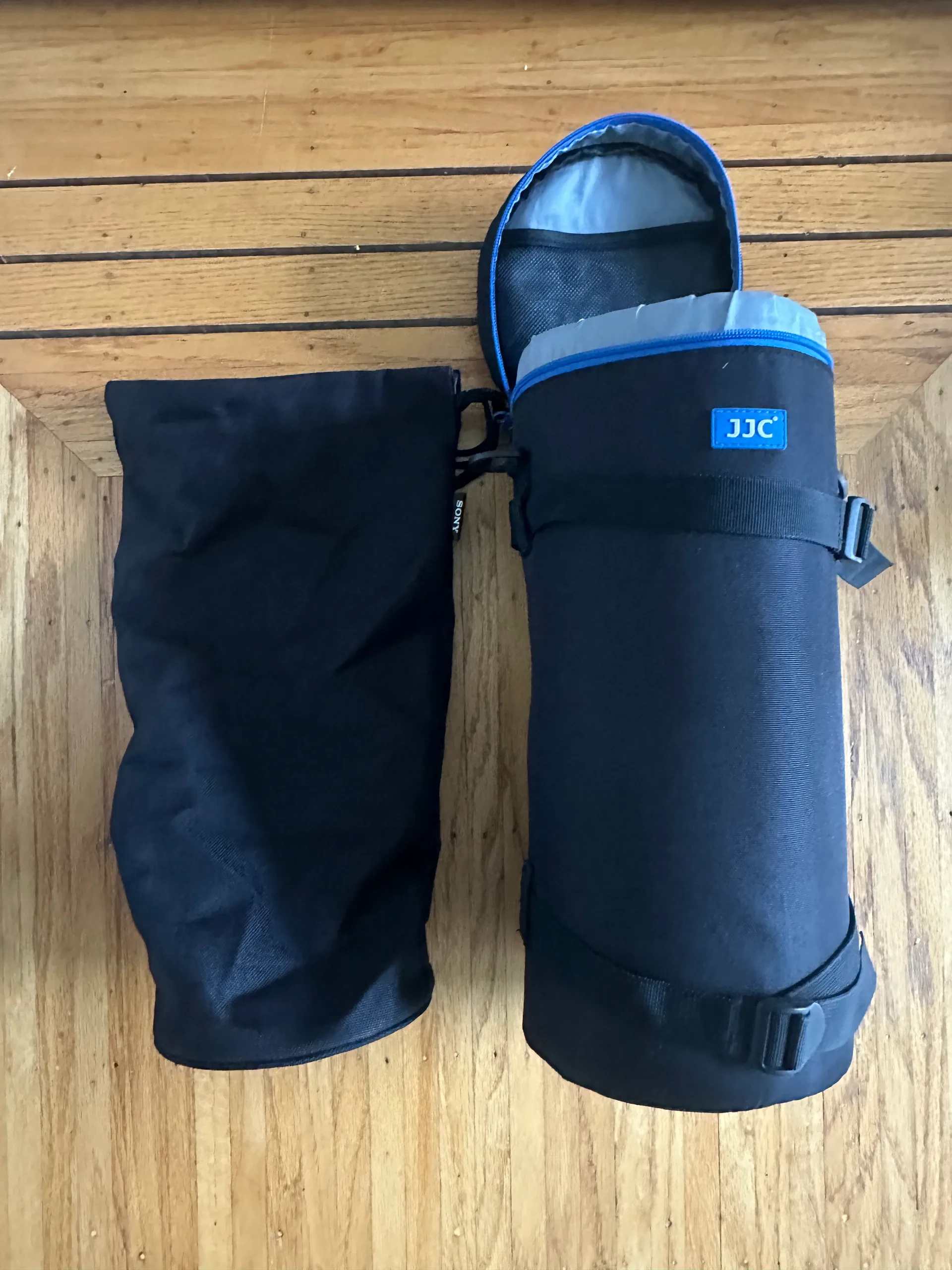
JJC extra-large padded lens pouch
The 200-600 flies in the duffel, in this. Padded, and it counts toward the weight limit.

Holding it steady on a boat
Some places do not allow tripods at all; Knight Inlet bans them in the skiffs and on the stands.
-
Ulanzi TT35 hiking stick tripod kit
A carbon hiking stick that splits into a monopod or a small tripod. Where the rule is no tripods, the monopod half still counts.
-
DJI RS 3 Mini compact gimbal
A compact gimbal, carried for the A1. It is not meant for the 200-600 and does not pretend to be.
Keeping it dry
-
Dry bag (Sea to Summit, MEC or REI)
A roll-top that keeps a camera dry on a zodiac floor. Sea to Summit, MEC and REI all make good ones.
-
Dakine dry bag backpack
A dry bag you can wear. For the days the kit walks from the boat to the beach and back.
-
Pelican cases, various sizes
Various sizes, for skiffs, floatplanes and the back of the truck, whenever a bag is not enough.
-
Peak Design Leash camera strap
I love the Peak Design straps. The Leash, in sage, on every body I own.

Hands and eyes
-
Dakine Impreza GORE-TEX gloves
Warm, waterproof, and thin enough at the fingertips to work a camera.
-
The Heat Company gloves
Layered shell and liner gloves made for photographers: fingers out for the shutter, back in for the wait.
-
Smith sunglasses
Polarised for the water, a darker lens for the snow. Smith make good ones.
-
Binoculars
A waterproof 8x42 or 10x42 pair for wildlife from boats and viewing stands.
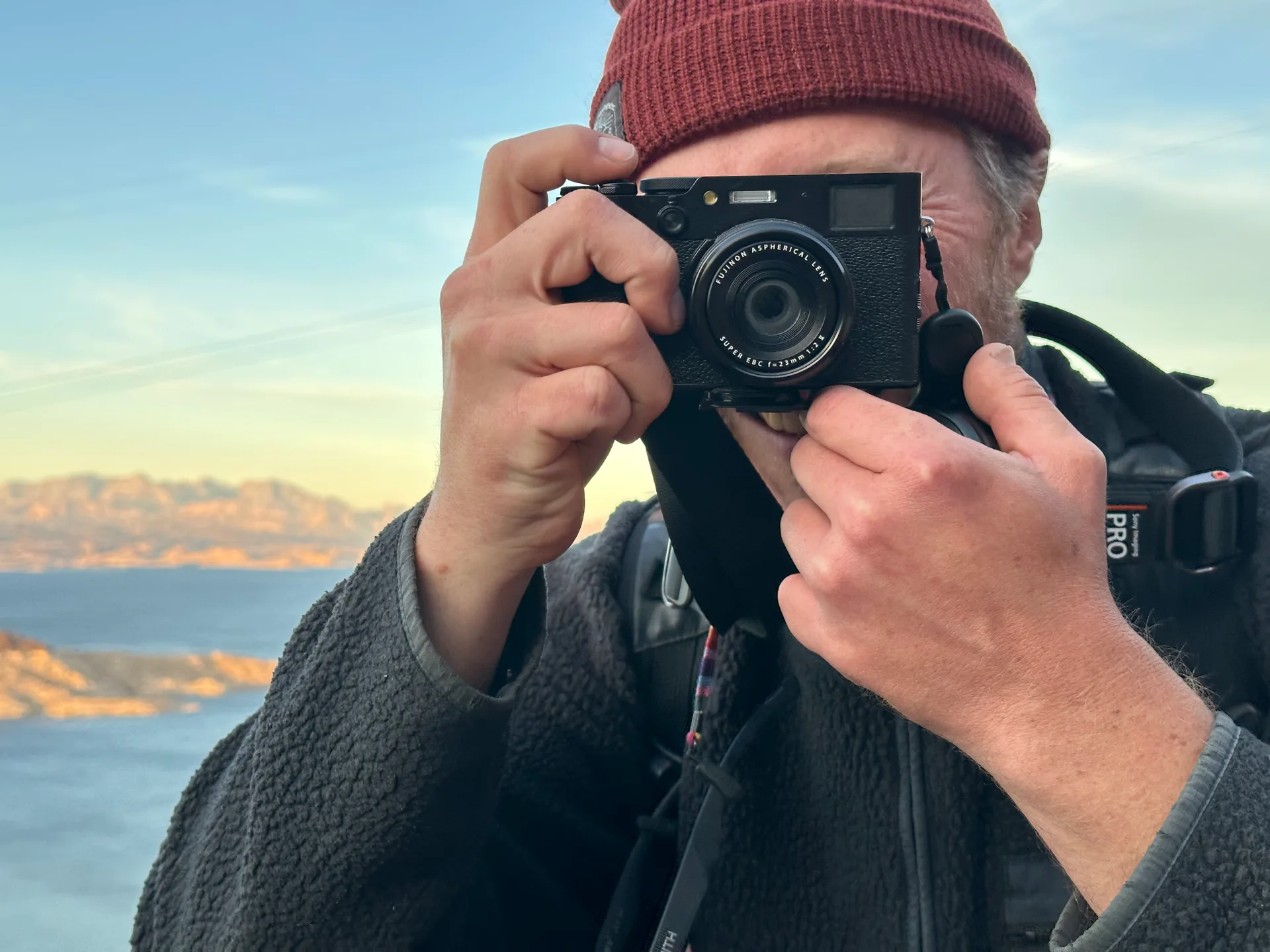
The second camera
One fixed lens, one pocket, and it comes everywhere the A1 does not.
-
Fujifilm X100VI
Always on me. Great for tighter spaces or when travelling lighter: no lenses to swap out, no sensor to get dirt on.
The rules that chose the kit
Read before you pack
- Tripods: ask first
- Knight Inlet does not allow tripods in the skiffs or on the viewing stands, and it is not alone. A beanbag on the rail, a monopod, or your elbows. Plan the lens weight around that.
- The flight in has a weight limit
- Floatplanes and helicopters both weigh your bag, and on a floatplane Transport Canada rules mean nothing on your person beyond what fits the seat pocket. The camera and the long lens fly in the duffel, inside the limit. That is where a second long lens loses to the first.
- Drones: assume no
- Most lodges will not allow drones at all, and Knight Inlet prohibits them during the season under its environmental management plan. I flew with special permission, for the lodge, under a Transport Canada Advanced Operations certificate and with commercial liability insurance, and stayed well clear of any wildlife. If you do not have that permission in writing, leave it at home.
Where it was carried
The trip behind it
-
 From the Journal Orca Camp: the comfortable way to sleep on a beach Read the story
 -
 From the Journal The realm of the whales, at paddling speed Read the story
 -
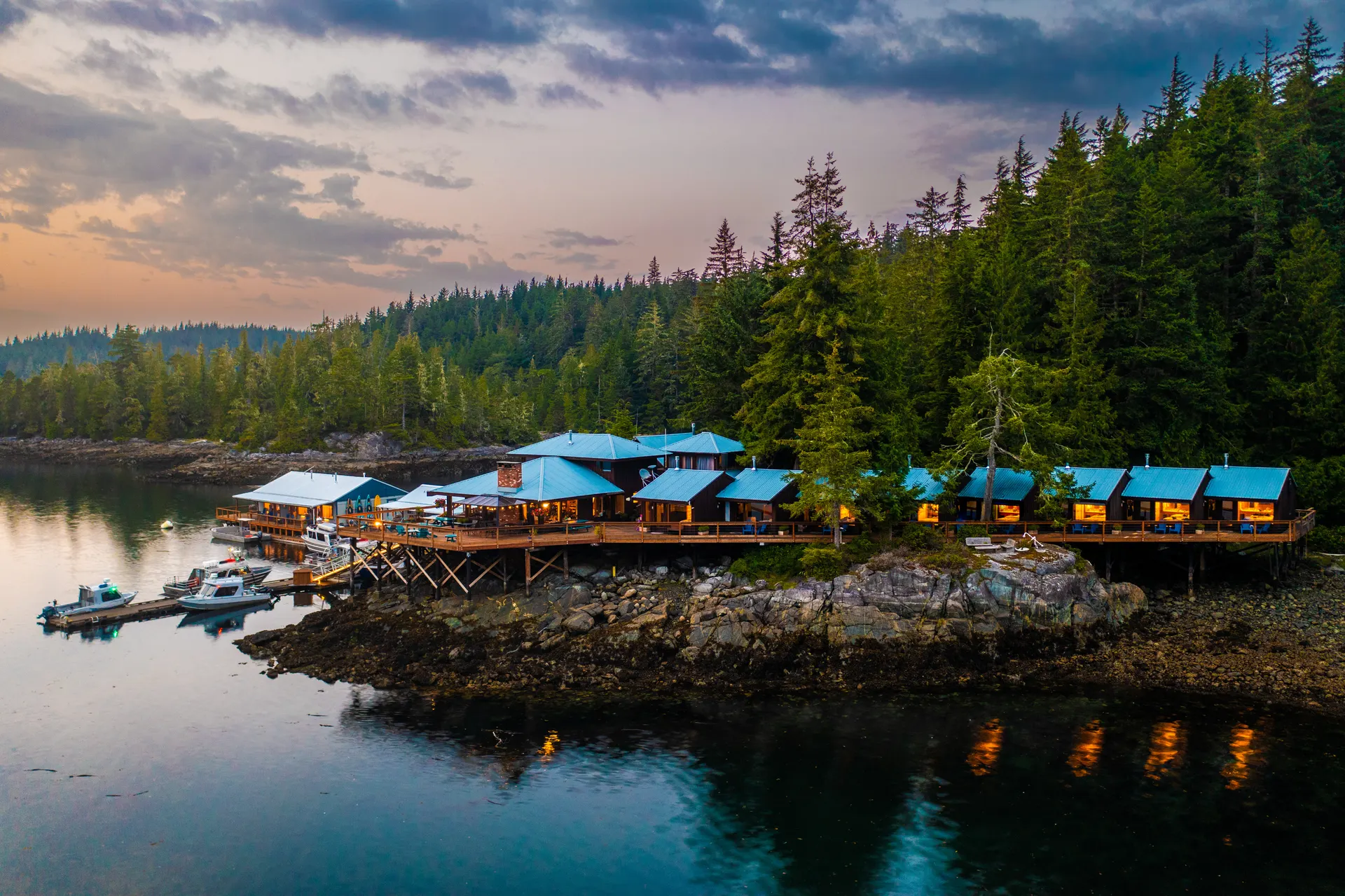 From the Journal The Point at Farewell Harbour: Berry Island Lodge, before and after the name Read the story
 -
 From the Journal The Salmon Clock: my autumn at Knight Inlet Read the story
5 experiences in this story
Availability request · reviewed by a person