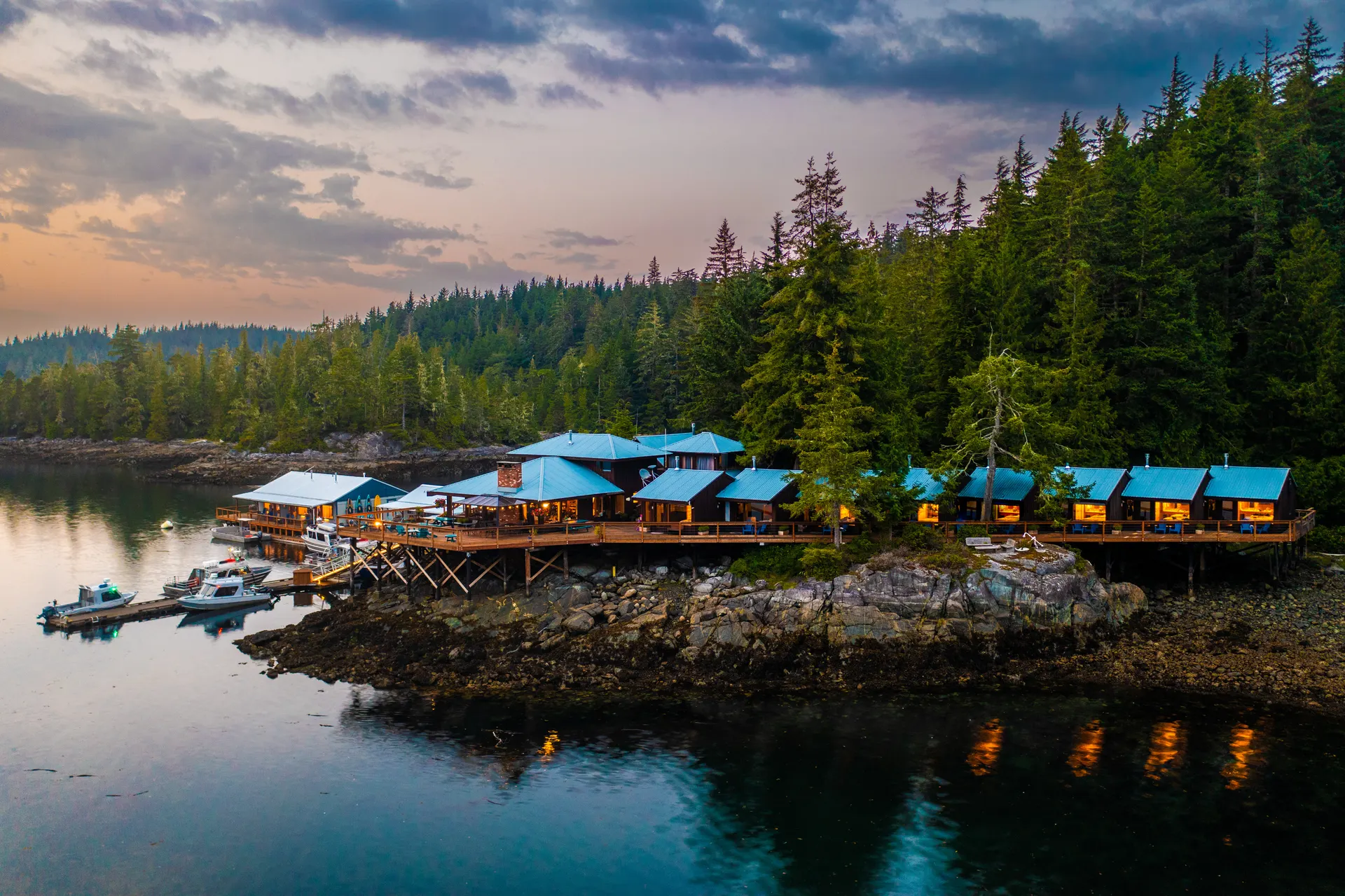
The bears do not know they are famous. That is the first thing I understood at Glendale Cove, two hundred and forty kilometres northwest of Vancouver, where a floating lodge sits in a sheltered bend of Knight Inlet and the largest seasonal gathering of grizzlies in British Columbia assembles every autumn for reasons that have nothing to do with anyone watching.
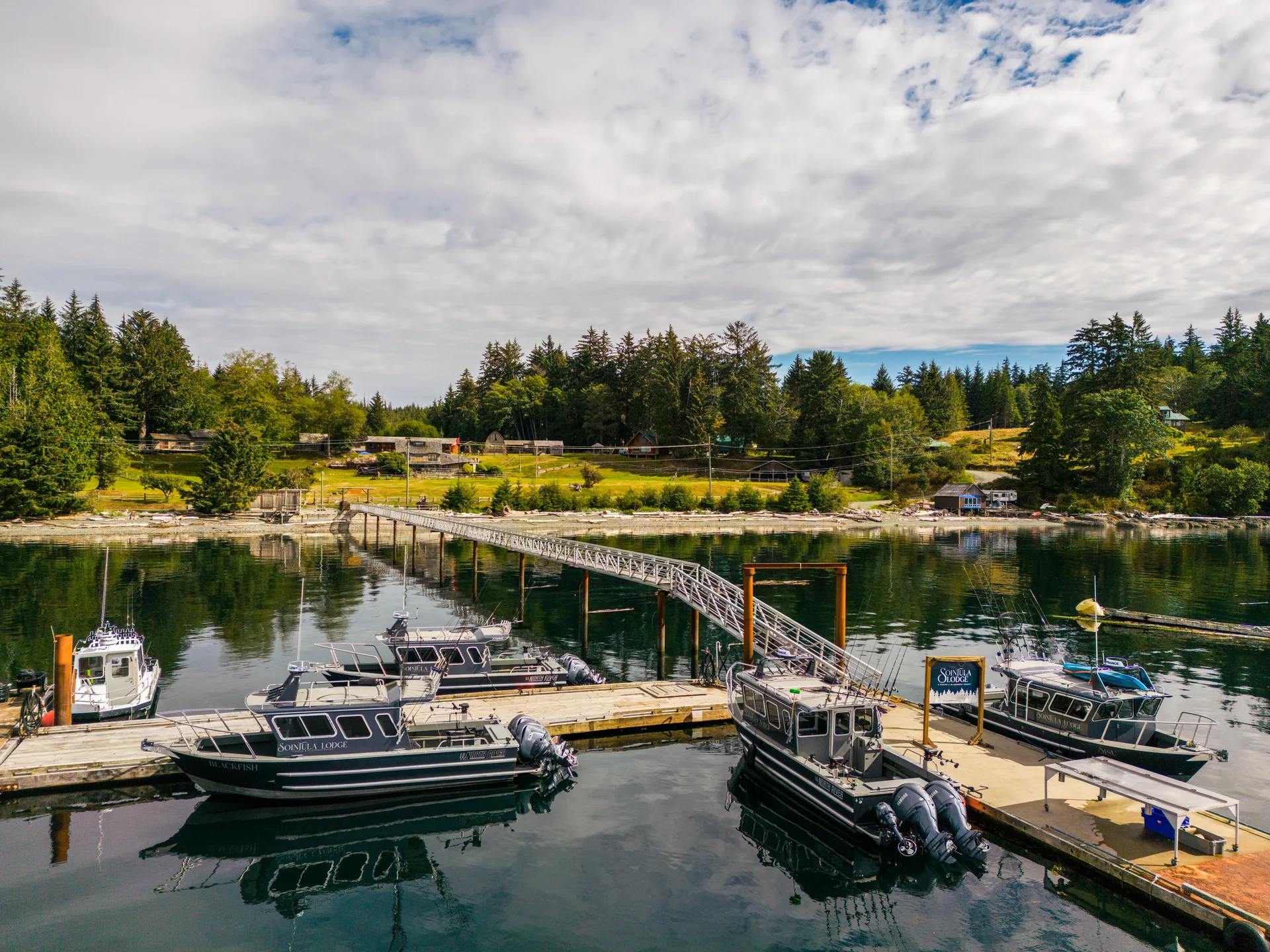
I have made the floatplane trip in twice, in two separate seasons, once for the salmon run and once to shoot the spring light, and the window seat still gets me. You thread between islands for half an hour, the channels below looking like poured glass, and then the machine banks into a cove where an eighteen-room lodge floats against a wall of rainforest.


Thirty minutes out of Campbell River
The commute is a floatplane with a camera bag between your feet, half an hour of threading between islands before the machine banks into the cove.
The whole property floats. It is moored against the rainforest rather than built into it, which is the only way anything stays in a place the tide moves through twice a day.
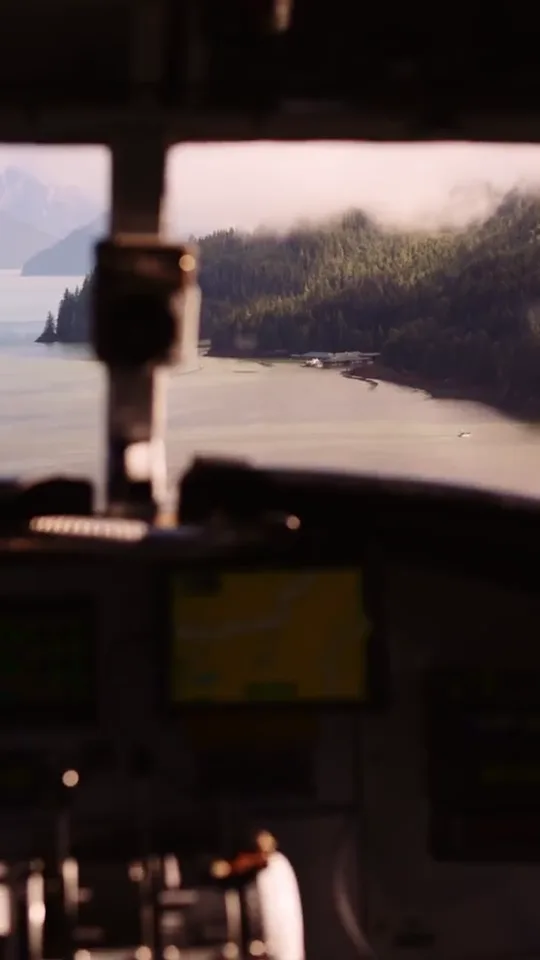
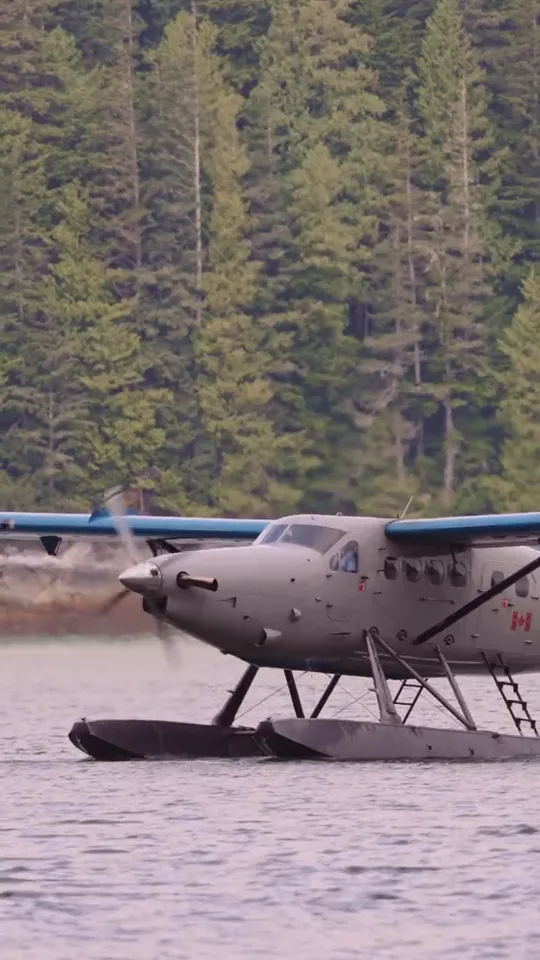
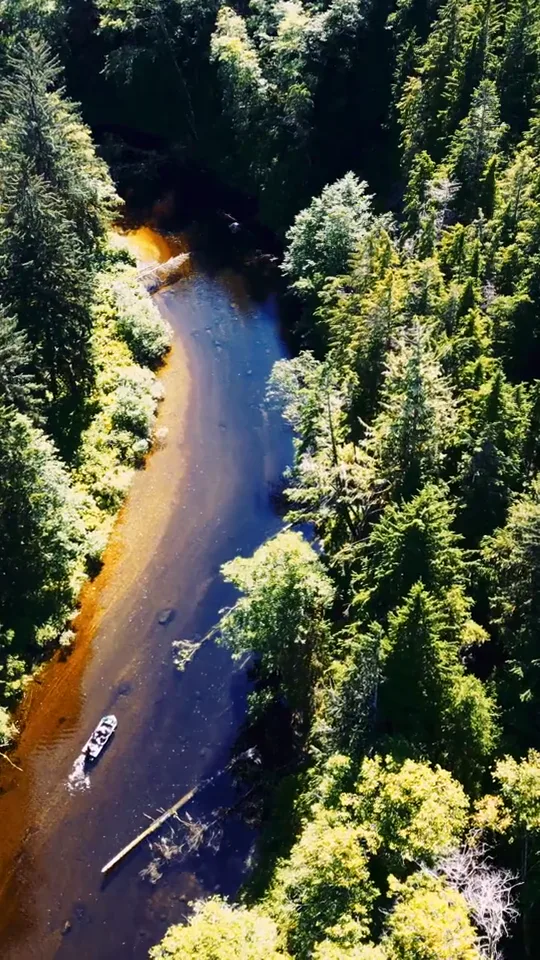
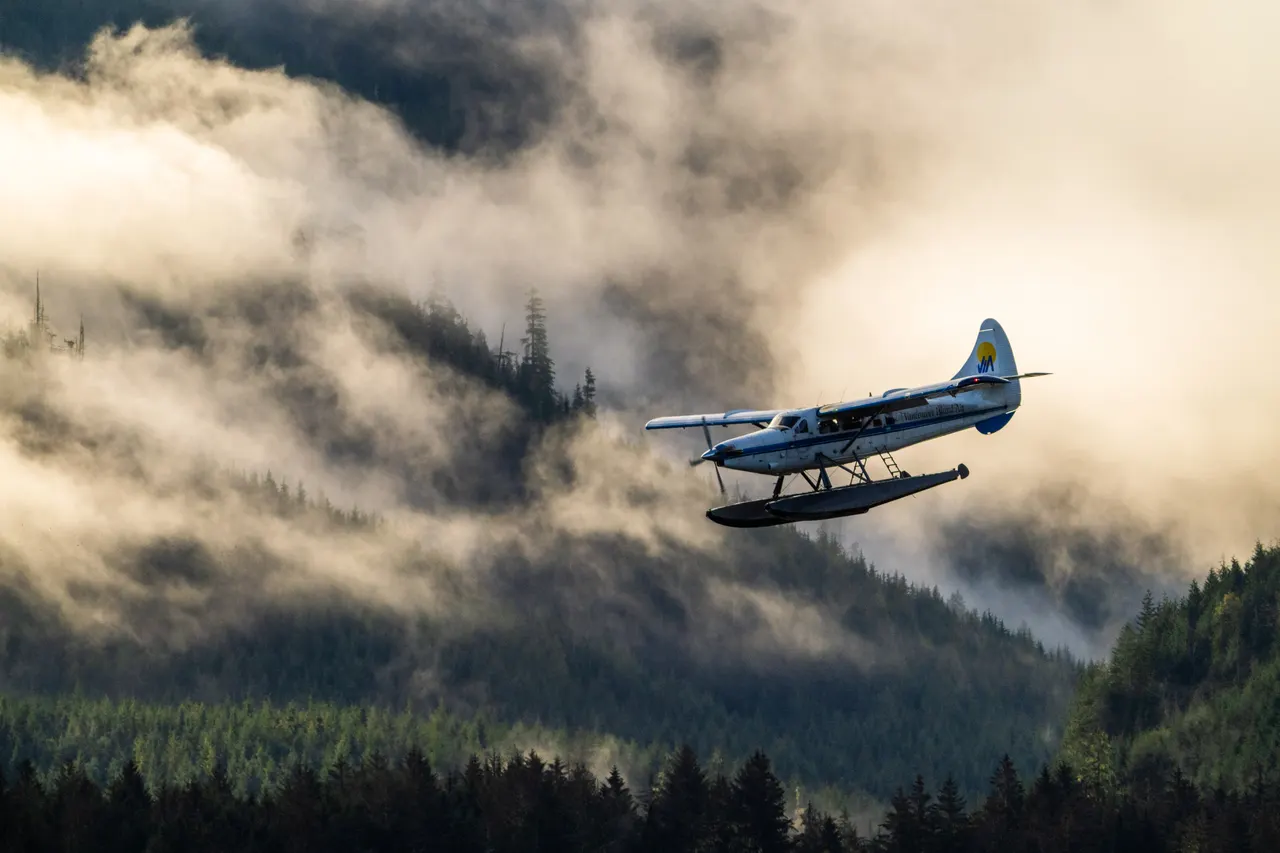
Some mornings the fog sits on the ridges until ten, and the plane waits with you. The flight is the first thing the coast decides for you.
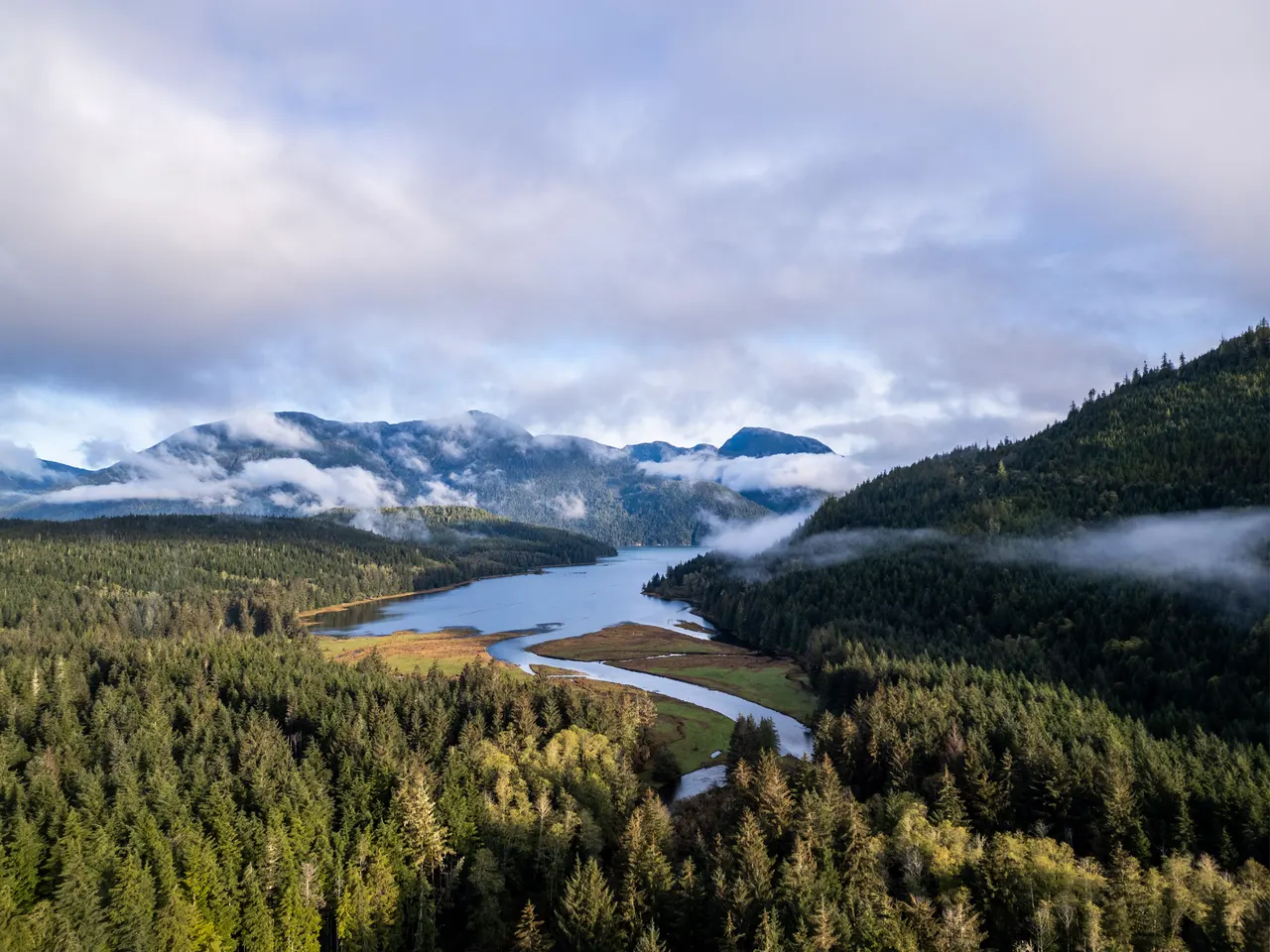
The Glendale estuary, where the clock is kept
The reason for all of it is pink salmon. From late August the run builds in the spawning channels behind the cove, and the bears, as many as fifty within five miles of the lodge in a strong year, arrange their entire waking lives around it. The lodge arranges its season around the bears. Spring and summer are boat months: grizzlies grazing the estuary sedge, newborn cubs, humpbacks and Steller sea lions working the outer water. Then the salmon clock strikes, and everything moves to the stands.
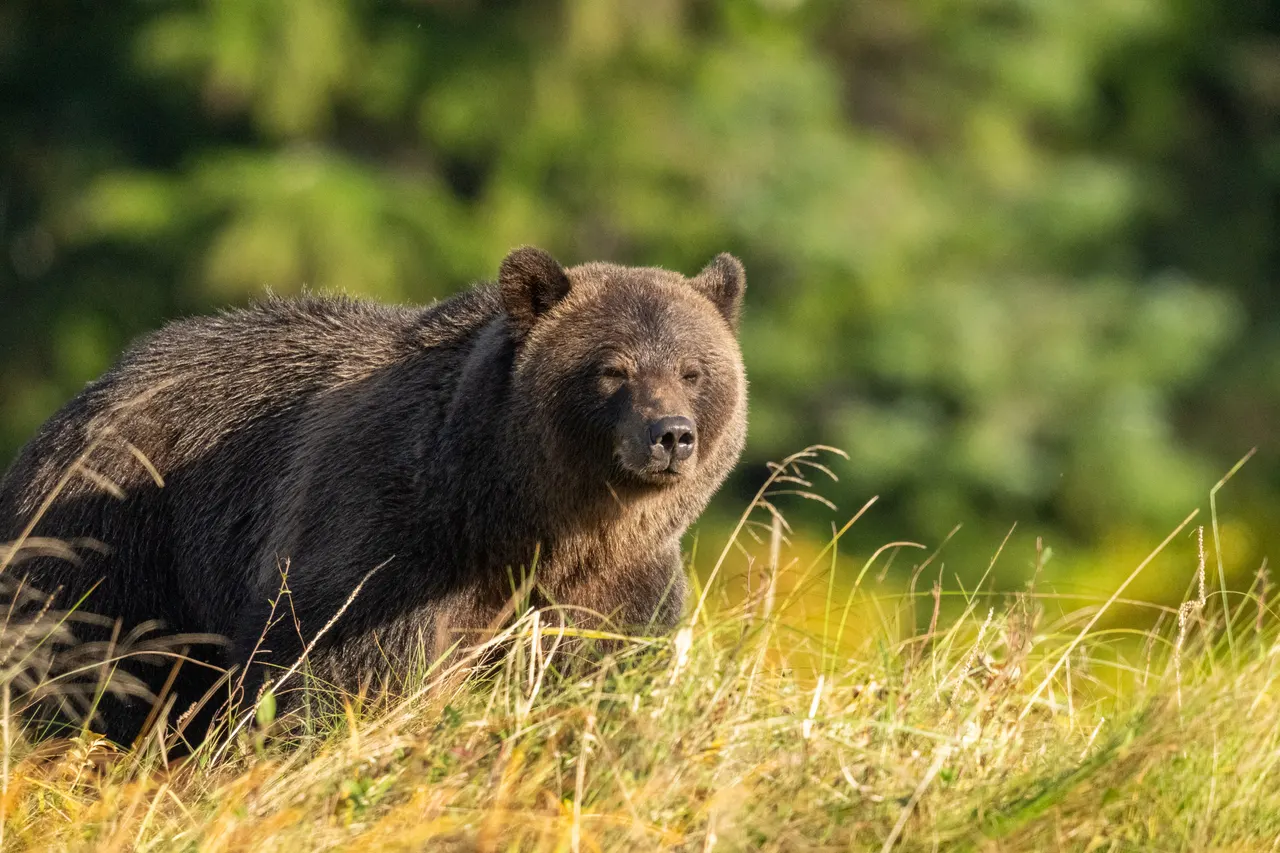
The bears keep the schedule they have always kept. The only question is whether you are there when the clock strikes.

When the clock strikes
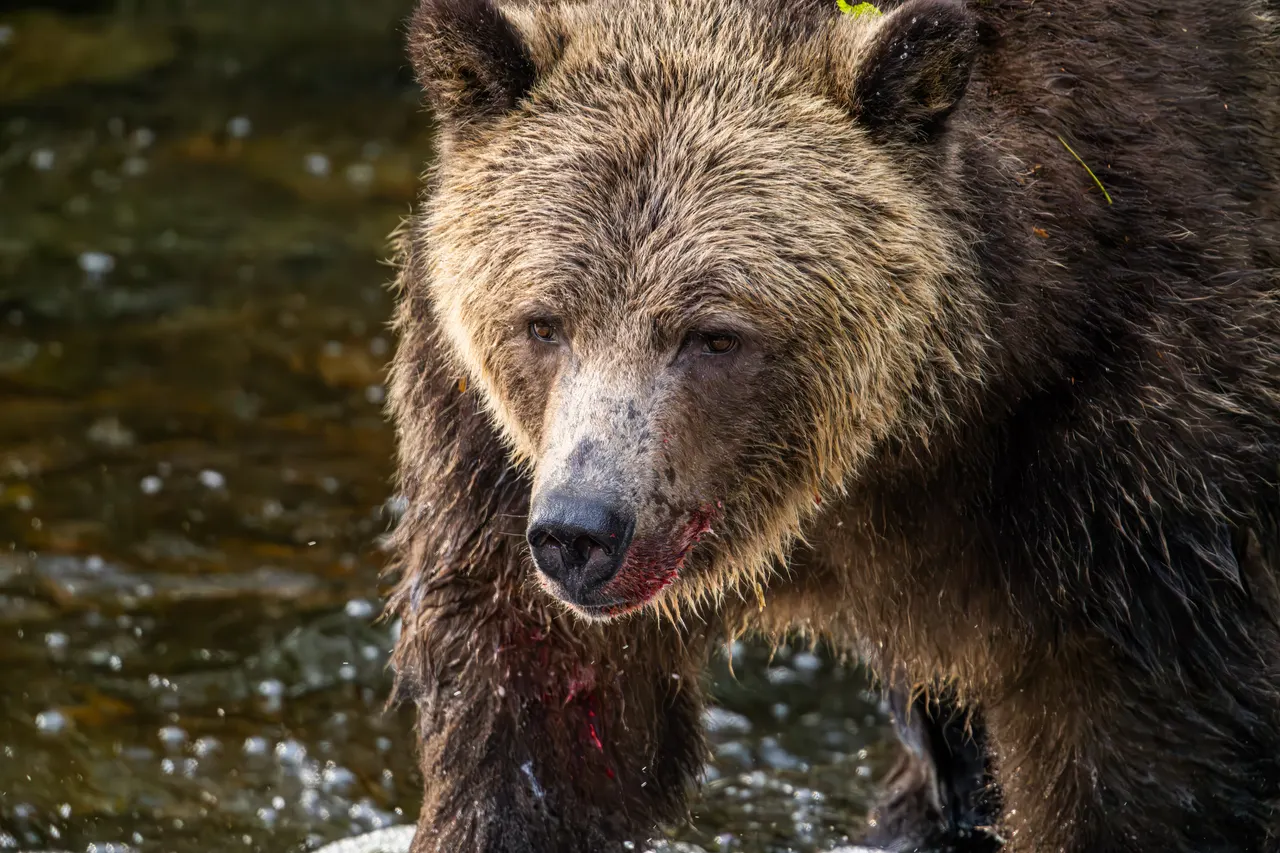
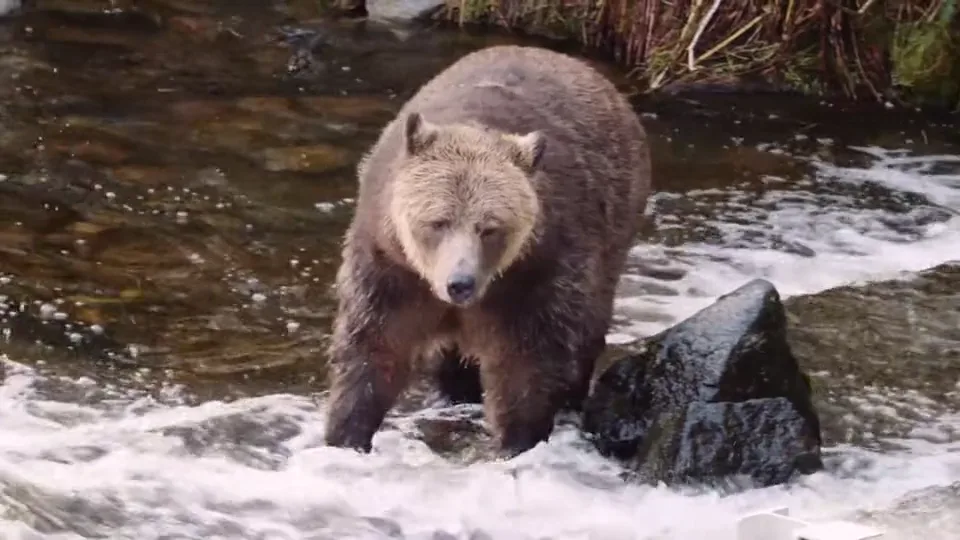
This is what the stands are for. A bear in the channel at the distance of a conversation, working the water, and a gull waiting on a rock for what it leaves.
The frame on the left is the one every long lens on this coast is bought for: water on the fur, the muzzle red, and a look that says it knows exactly where you are and does not care.
You are not looking for bears; you are waiting in the one place the bears have to come.
Field note
Spring, and the people who read it
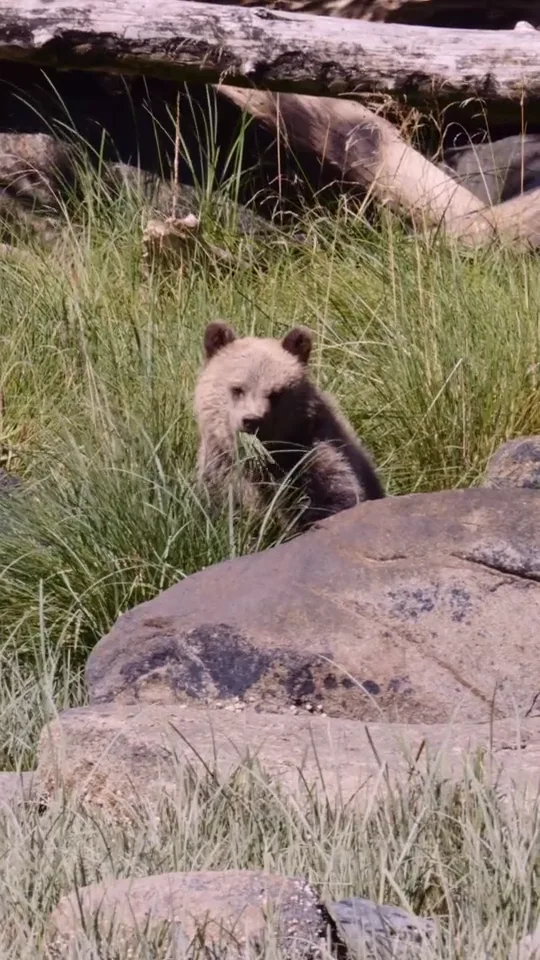
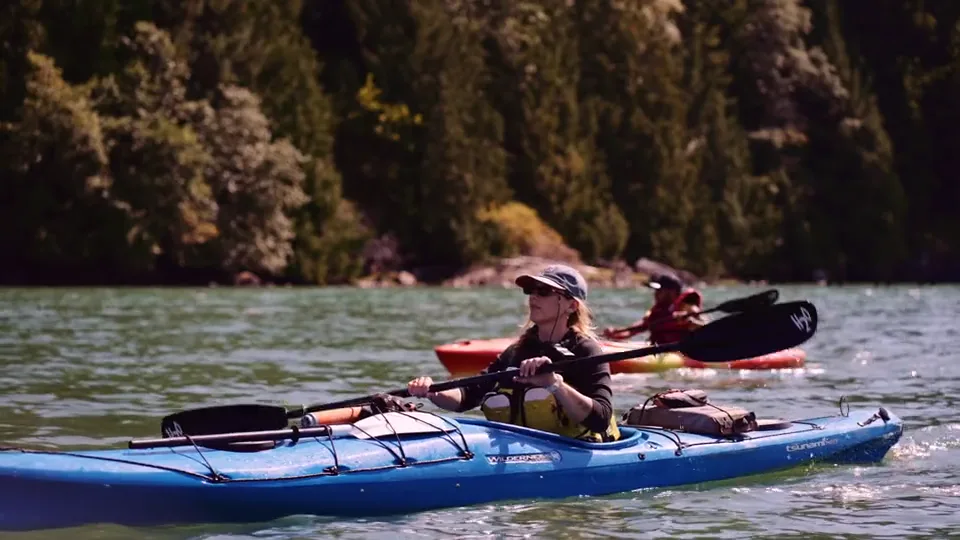
The boat months bring the cubs. A cub sitting up in the sedge is the spring picture, and it is taken from the water, at the distance the guides keep, with the engine off.
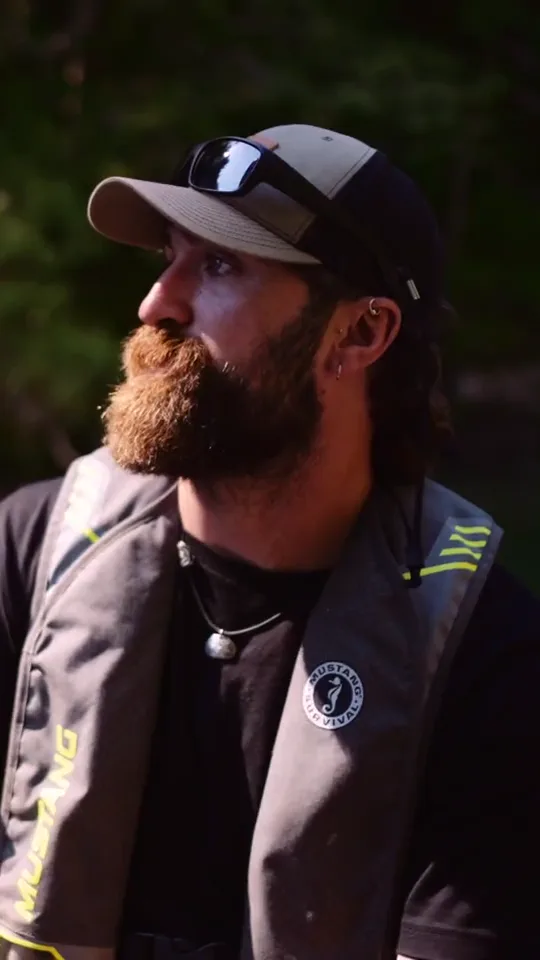
The guides read this coast the way the rest of us read a menu. They know which channel the fish went up and which sow has cubs this year, and they will tell you before you think to ask.



Waiting where the bears have to come
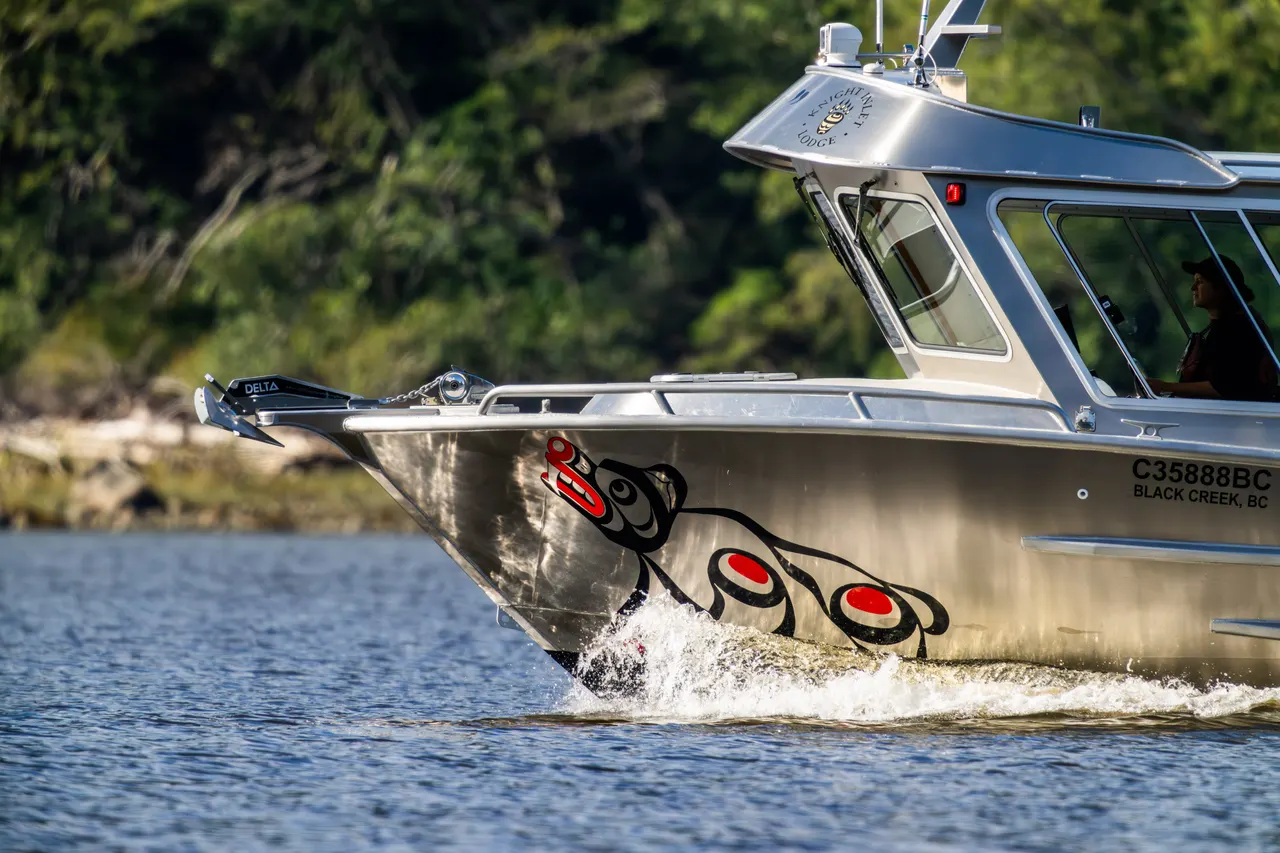

Eighteen rooms on a platform
The rooms have proper ensuites and the kind of beds you do not expect on a floating structure. Two queens, timber headboards, and the inlet outside the window doing what a television would be doing anywhere else.
The lounge is where the day gets argued over. Somebody always saw something nobody else did, and the guides, who read this coast the way the rest of us read a menu, settle it.

What the evenings are
Two queens, an ensuite, and lamplight. Nothing about the room is trying to compete with the window, which is the correct decision.
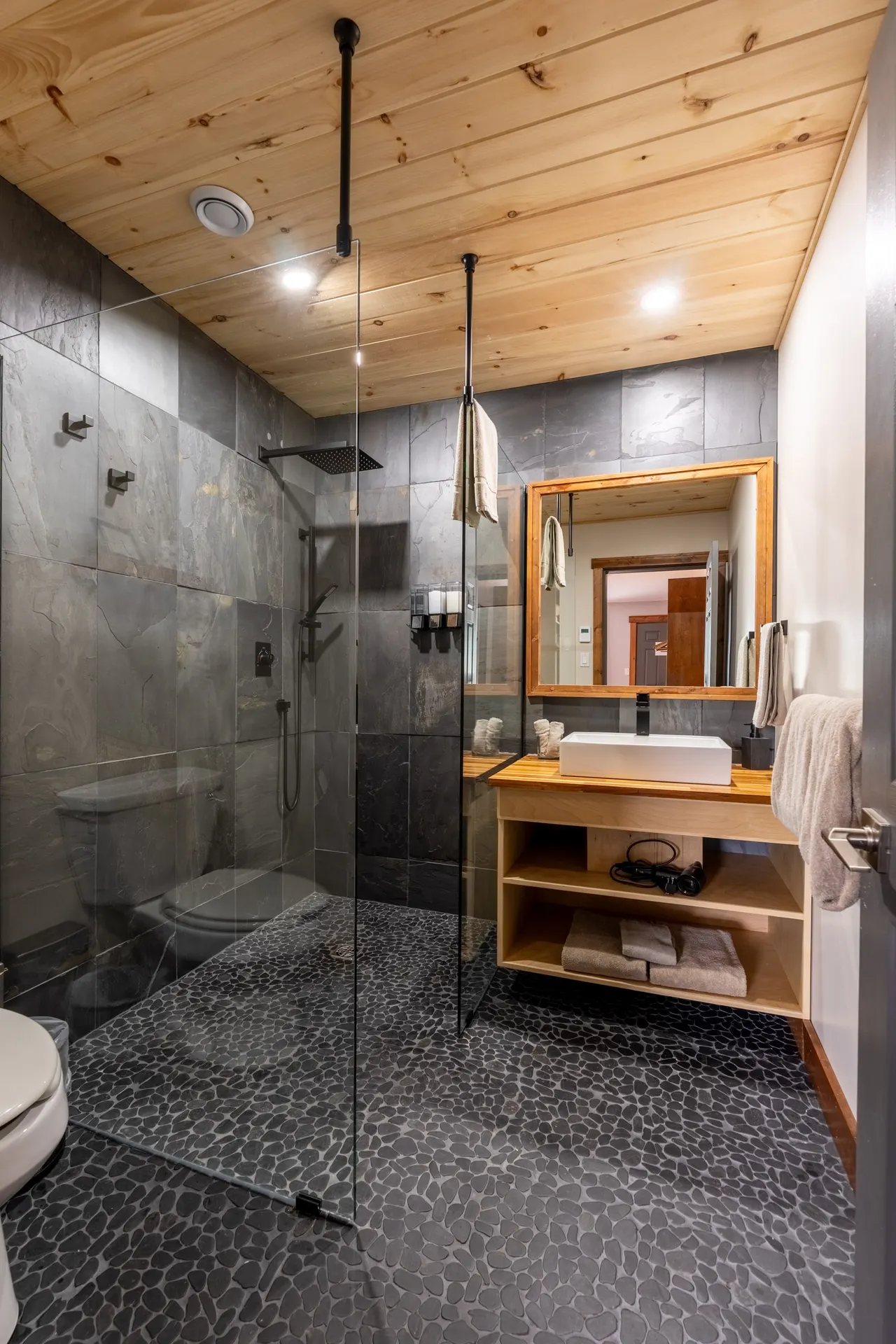
The bathrooms are the surprise: slate, a pebble floor under a rain shower, pine overhead and a live-edge vanity. Nothing about it says floating.
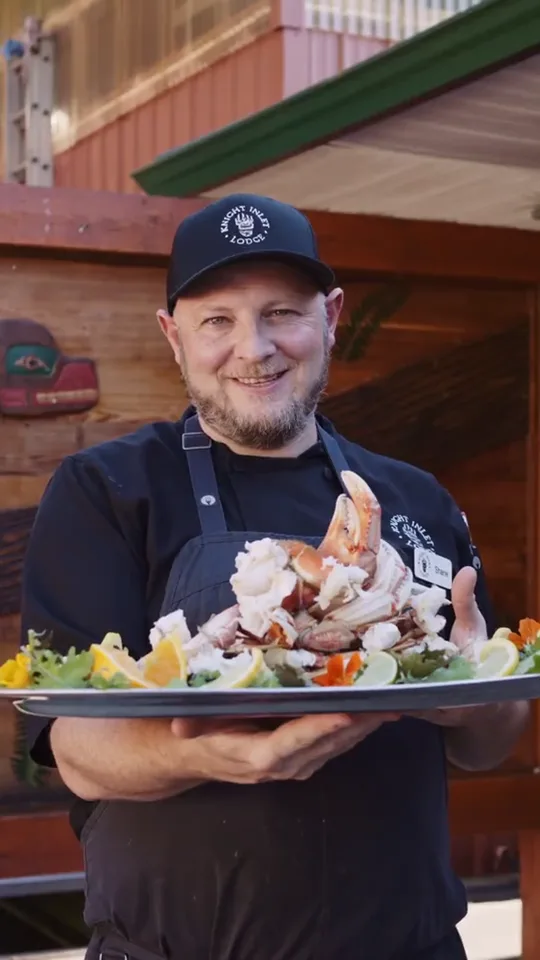
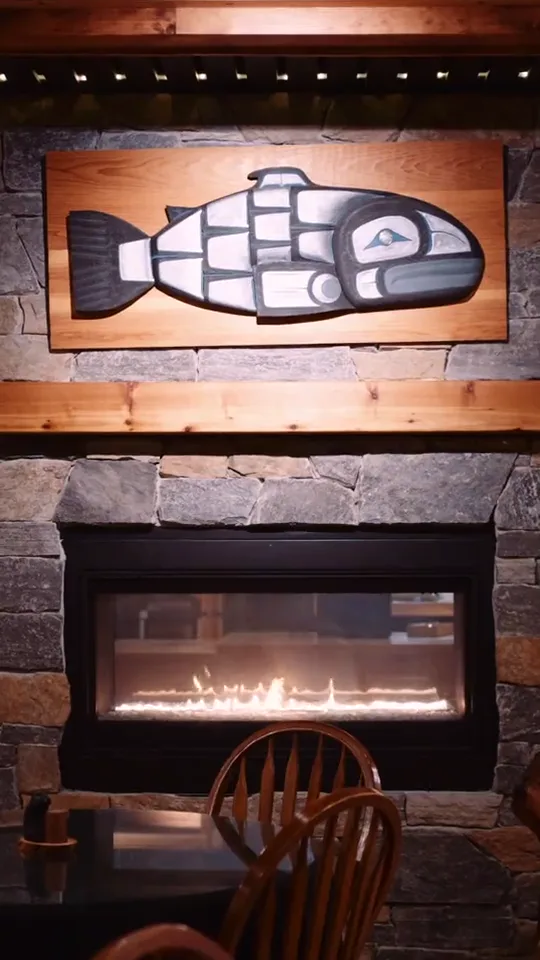

One morning a few of us went off the dock for a cold plunge before breakfast, and it woke us up better than any amount of coffee could have. The inlet is the plunge here; the lodge has hot showers to warm up in afterwards and wash the salt off, which is the only reason anyone does it twice.

I was told there would be an aurora and did not believe it would amount to much. I was tired. I was talked into staying up, and it was one of the most spectacular I have ever seen.
Most of the staff and a good many of the guests ended up on the dock for it, phones and cameras up, and I think I got the best of it thanks to a borrowed low-light camera body, a Sony A7S III, and the 14mm I always carry. Nobody planned that night. It is the kind of thing that happens when you are a long way from anywhere and awake.
The one practical warning: leave room at the end of the trip. Floatplanes get delayed and sometimes cancelled outright when the weather will not let them fly, and if that happens you may get a long, scenic boat ride back to Campbell River instead of a thirty-minute flight. Do not book the connection that cannot survive that.
Grizzlies are astonishing to witness from a safe distance. If you are on the fence about it, just go.
My Knight Inlet film, shot across the two autumns above.