Rate cards in this category are close to useless for comparison. One lodge quotes a per-person package including guiding, boats, fuel and all meals; the next quotes a nightly rate with everything billed separately; a third quotes the same headline number but expects you to arrange your own transfer. The only way to compare them is to normalise everything to a single number: total cost per person for the whole trip, door to door.
That is the number I record for every lodge on this site, and it is worth reconstructing yourself before you commit.
Start with the inclusion list, not the price
Across the fishing lodges on this site, the common inclusion set is accommodation, all meals, guided fishing with boat and tackle, and fish processing. Everything else varies. Licences are included at roughly one lodge in ten. Gateway transfers are included at maybe half. Alcohol almost never is.
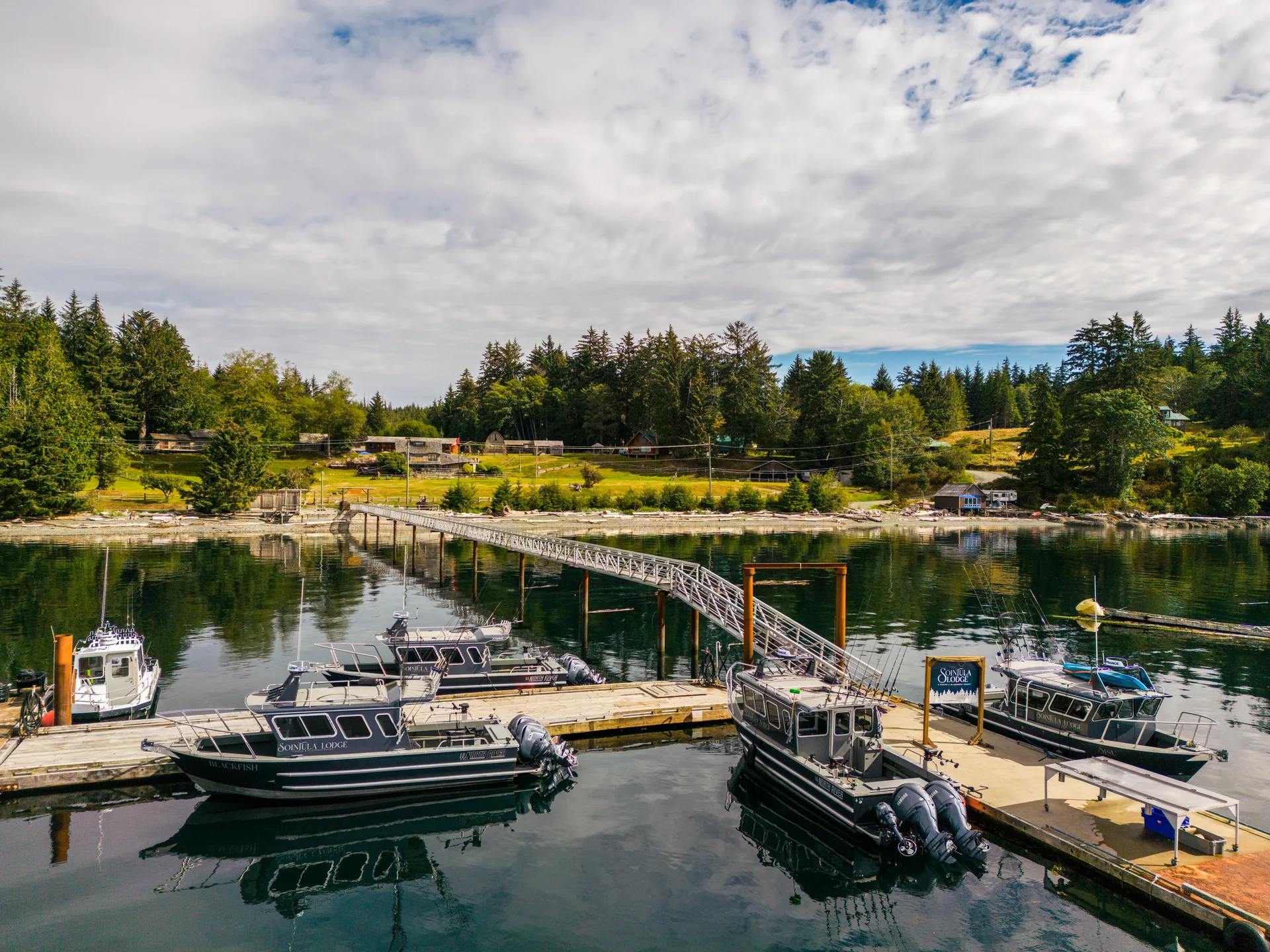
The single largest swing is the transfer. A floatplane leg from a regional gateway can run several hundred dollars per person each way; a lodge boat from the nearest dock is usually included; a drive-in lodge costs you a tank of fuel. Whether the transfer sits inside or outside the package changes the comparison completely.
Guide ratios are the real quality signal
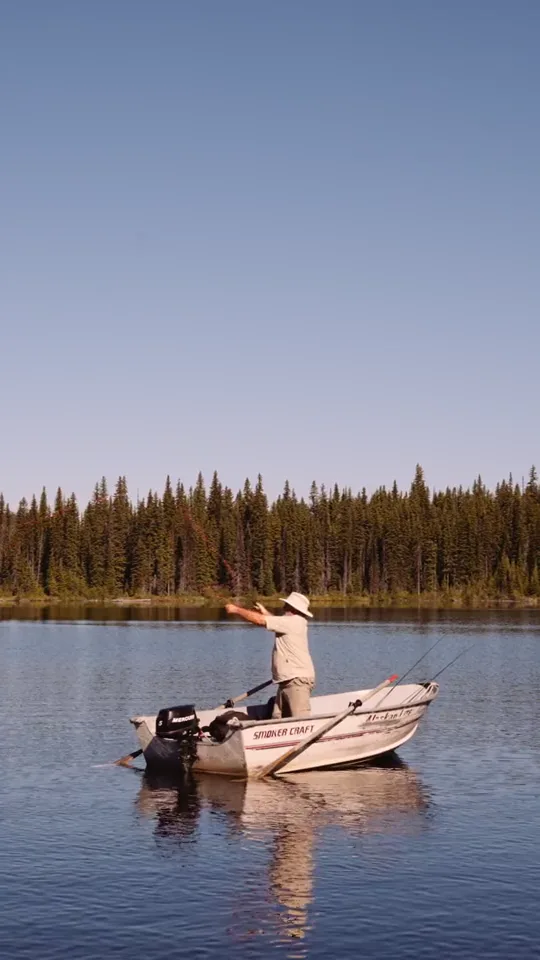
A dedicated guide per boat is a different trip from a guide shared across three boats, and it is a much better predictor of how the week goes than the thread count in the room. Lodges that assign a guide to each pair of guests and keep the same pairing all week are the ones that produce the trips people repeat.
Where a lodge publishes its ratio I record it. Where it does not, ask: the answer, and how readily it comes, tells you a lot.
Match the season to the species, not the calendar
Fishing seasons in Canada are narrow and species-driven. Chinook peaks in July on the north coast; coho builds through August. Walleye opens the boreal season in May; the best big-pike conditions come at the end of September. Atlantic salmon runs are set annually and can move with water levels.
Booking the wrong fortnight does not get you a cheaper version of the same trip. It gets you a different trip.
Ask about the down day
Every remote lodge has weather days. The good operators have a published policy, a substitute activity, a credit, a partial refund, and will tell you what it is without being pushed. The ones that go quiet on the question are telling you something too.
What I would ask before booking
- What is the total per-person cost including transfers, licences and expected gratuities?
- What is the guide-to-guest ratio, and is the guide consistent across the week?
- What is the policy if weather grounds the aircraft or the boat on arrival or departure day?
- How is catch handled, processing, freezing, and shipping home?
- What is the cancellation window, and is trip insurance required?
Every listing on this site records what I found on the visit, checked against the operator’s own published material and dated. Where a figure is inferred rather than published, it says so rather than presenting an estimate as fact.